Buyers • January 16, 2026

How Much Home Can You Really Afford? (And Why the Bank’s Number Isn’t the Whole Story)

One of the most common things buyers tell me after getting pre-approved is:

“The bank says I can afford up to $___.”

That number can be exciting — but it can also be misleading if it’s the only thing you use to decide what you should buy.

A lender’s approval amount is important, but it doesn’t always reflect what feels comfortable for your real, everyday life. Let’s talk about the difference.

Before determining how much home you can realistically afford, many buyers start by speaking with a lender to understand their loan options and get pre-approved. If you missed that step in the Buyer Series, you can read it here:   Pre-Approval vs. Pre-Qualification: What’s the Difference & Why It Matters.


⭐️ What a Lender’s Number Really Means

When a lender pre-approves you, they’re looking at:

  • income

  • debts

  • credit

  • standard lending ratios

They’re determining the maximum amount you qualify for under lending guidelines — not necessarily what you’ll enjoy paying every month.

Think of it this way:
👉 The bank tells you what’s possible.
👉 You decide what’s comfortable.


⭐️ The Monthly Payment Is Only Part of the Picture

Your mortgage payment isn’t just principal and interest. Buyers often forget to factor in:

  • property taxes

  • homeowners insurance

  • utilities

  • maintenance and repairs

  • HOA fees (if applicable)

  • lifestyle changes (commute, fuel, childcare, etc.)

A home that technically “fits” on paper can still feel tight once real life kicks in.


⭐️ Comfort vs. Stretch

Some buyers are comfortable stretching their budget for:

  • location

  • long-term plans

  • strong income growth

Others value:

  • flexibility

  • savings

  • travel

  • peace of mind

There’s no right or wrong — but knowing your comfort zone before shopping prevents stress, second-guessing, and buyer’s remorse later.


⭐️ A Better Question to Ask

Instead of asking:

“What’s the most I can buy?”

Try asking:

“What monthly payment allows me to still live the life I want?”

That one question changes everything.


⭐️ Why This Matters Before Touring Homes

Once buyers start touring homes above their comfort range, it’s very hard to dial expectations back. Getting clear early helps you:
✔️ shop confidently
✔️ avoid emotional whiplash
✔️ make stronger offers
✔️ feel good about your decision long after closing


💬 Final Thought

Buying a home should feel exciting — not stressful. The goal isn’t to spend the most money possible; it’s to buy a home that fits your life today and tomorrow.

In the next post in this Buyer Series, I’ll break down what to look for when touring homes — and what not to overthink.

If you ever want help talking through numbers, scenarios, or expectations, I’m always happy to help.

Buyer Series Navigation:

Next Step:   What to Look for When Touring Homes (And What Not to Overthink)

– Shawn Long
ERA Martin Associates | Shawn Sells Delmarva
Serving Wicomico County & Maryland’s Eastern Shore

 Real estate doesn’t have to feel overwhelming — you don’t have to figure it out alone.

Community & Local • January 16, 2026

Why Calling the Listing Agent Directly Isn’t Always in a Buyer’s Best Interest

This is something I run into more often than you might think.

A buyer calls about a property and asks for the listing agent’s name and number. When I ask if they’d like representation, the response is usually something like:

“I don’t want to sign any agency agreement.”

I always respect that decision. If that’s what someone wants, I’ll gladly provide the information they’re asking for. But before doing so, I also feel it’s important to explain something many buyers genuinely don’t realize.


The Part Most Buyers Don’t Understand

In most real estate transactions, the seller pays the majority — and often all — of the buyer’s agent/broker compensation.

In many cases:

  • The buyer’s agent compensation is around 3%

  • The seller may already be offering 2.5%

  • The buyer may only be responsible for a small difference (sometimes as little as 0.5%), depending on the agreement — and often nothing at all

So when buyers try to “avoid” having representation to save money, they’re often not actually saving much — and sometimes not saving anything. (These numbers were used as an example. Compensation is always negotiable.)


Who Does the Listing Agent Work For?

This is the most important part.

The listing agent works for the seller.
Their job is to:

  • Get the seller the best price

  • Protect the seller’s interests

  • Negotiate in the seller’s favor

They are not there to advise the buyer, protect the buyer, or point out issues that could weaken the seller’s position.

A simple way to think about it is this:

Calling the listing agent to represent you as a buyer is like a defendant in court asking the prosecutor to also be their lawyer.

The prosecutor’s job isn’t to help the defendant — it’s to win the case for the other side.

That doesn’t make the listing agent dishonest. It just means they have a legal duty to someone else.

This is why understanding buyer representation in real estate is so important before deciding how to move forward with a purchase.


Why Buyer Representation Exists

A buyer’s agent is there to:

  • Advise you, not the seller

  • Explain risks, contract language, and contingencies

  • Help negotiate price, terms, and protections

  • Make sure you don’t accidentally waive rights or miss important details

And in most cases, you’re already paying for that representation indirectly through the transaction anyway.


The Bottom Line

You always have the right to choose how you buy real estate. No one should be forced into an agency relationship.

But before deciding to go unrepresented, it’s worth understanding:

  • Who is actually working for you

  • Who is legally obligated to protect your interests

  • And whether avoiding representation is really saving you money — or just leaving you unprotected

If you ever want an honest explanation of how buyer representation works, what it costs (or doesn’t), and what your options are, I’m always happy to explain — no pressure, no obligation.

One important clarification:
A seller is not required to offer compensation to a buyer’s agent. However, in practice, many sellers choose to do so because it brings more buyers to the table and makes the property accessible to a wider audience. In many transactions, the seller is already accounting for buyer representation as part of their overall pricing and marketing strategy — which is why buyers often don’t realize they’re effectively paying for representation whether they use it or not.

Sometimes understanding the system makes all the difference.

– Shawn Long
ERA Martin Associates | Shawn Sells Delmarva

Real estate doesn’t have to feel overwhelming — you don’t have to figure it out alone.

Buyers • January 9, 2026

Pre-Approval vs. Pre-Qualification: What’s the Difference & Why It Matters

If you’re just beginning the process and wondering where to start, you may want to read the first post in the Buyer Series:   Thinking About Buying a Home in Wicomico County? Here’s Where to Start.

If you’re thinking about buying a home, you’ve probably heard the terms pre-qualified and pre-approved used almost interchangeably. They sound similar — but in reality, they’re very different, and knowing the difference can save you time, stress, and disappointment once you start seriously house hunting.

Let’s break it down in a simple, no-confusion way.


⭐️ What Does “Pre-Qualification” Mean?

A pre-qualification is usually a quick, informal conversation with a lender. You might:

  • share basic income information

  • estimate your credit score

  • talk generally about your budget

There’s typically no deep review of documents, and nothing is fully verified.

👉 Think of pre-qualification as a starting estimate — helpful for early planning, but not something sellers rely on when making decisions.


⭐️ What Is a “Pre-Approval”?

A pre-approval is a much stronger step.

With a pre-approval, a lender:

  • reviews your income documents

  • checks your credit

  • looks at debts and assets

  • determines a realistic loan amount

When you’re pre-approved, you’re essentially saying:

“A lender has reviewed my financials and I’m ready to buy.”

Most sellers — especially in competitive markets — want to see a pre-approval, not just a pre-qualification.


⭐️ Why Pre-Approval Matters So Much

Getting pre-approved early can:
✔️ help you shop with confidence
✔️ prevent surprises later
✔️ strengthen your offer
✔️ save time once you find the right home

It also helps you avoid falling in love with a home that’s outside your comfortable budget — something no buyer wants to experience.


⭐️ Common Buyer Misconception

A lot of buyers worry:

“What if I’m not ready yet?”

That’s actually the best time to talk to a lender.

If you are ready — great.
If you’re not quite there yet — a lender can tell you exactly what to work on, whether that’s credit, savings, or timing. No guessing.


⭐️ So… Which One Do You Need?

  • Just starting out? Pre-qualification can be a helpful first conversation.

  • Planning to tour homes or make an offer? You’ll want a pre-approval.

Most buyers eventually need both — but knowing when to use each one makes the process smoother.


💬 Final Thought

Buying a home doesn’t have to feel overwhelming. Taking the right steps in the right order makes all the difference — and pre-approval is one of the biggest confidence boosters you can have as a buyer.

In the next post in this Buyer Series, I’ll break down how much home you can really afford and what buyers often overlook when setting a budget.

If you have questions or want help connecting with a trusted local lender, I’m always happy to help.

Buyer Series Navigation:

Next Step:    How Much Home Can You Really Afford? (And Why the Bank’s Number Isn’t the Whole Story) 

– Shawn Long
ERA Martin Associates | Shawn Sells Delmarva
Serving Wicomico County & Maryland’s Eastern Shore

Real estate doesn’t have to feel overwhelming — you don’t have to figure it out alone.
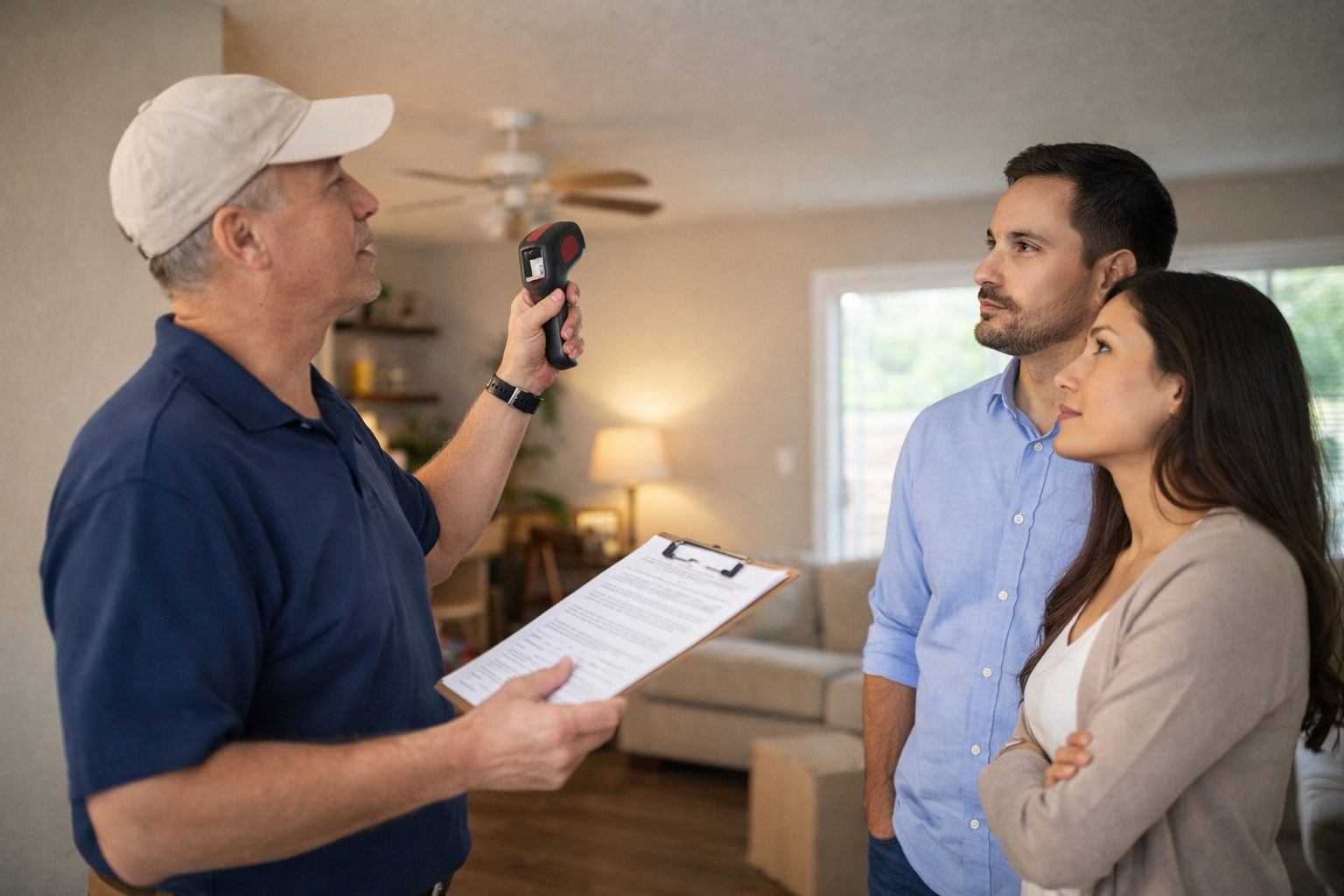
Buyers • January 2, 2026

Thinking About Buying a Home in Wicomico County? Here’s Where to Start

If you’ve been thinking about buying a home — whether it’s your very first place, your next chapter, or a move toward the lifestyle you’ve been dreaming about — you’re not alone. A lot of people here in Wicomico County and across Maryland’s Eastern Shore start the homebuying process the same way: browsing online, scrolling through listings, wondering what’s possible, and asking…

“Where do I even start?”
“Can I really afford a home right now?”
“What’s the first actual step I should take?”

If that sounds familiar, you’re in the right place. My goal with this Buyer Series is to make the process feel clear, manageable, and not overwhelming, so you can move forward with confidence instead of stress.


⭐️ Step 1: Get Clear on Your Starting Point

Before looking at homes, it helps to understand your financial picture. You don’t need everything perfect — you just need a direction.

Most buyers start by:
✔️ taking a look at their income, monthly expenses, and budget
✔️ thinking about what a comfortable monthly payment might be
✔️ considering whether they’ll be using savings, down payment assistance, VA or FHA financing, etc.

You don’t need the full answer yet — just awareness. The next step helps lock it in.


⭐️ Step 2: Talk to a Lender & Get Pre-Approved

This is one of the most important early steps. A pre-approval:

  • tells you what you can buy

  • helps you understand your payment & down payment options

  • makes you a stronger buyer when you find “the one”

A lot of people are nervous to talk to a lender because they worry:

“What if I’m not ready?”

Truth is, that’s exactly why you should talk to a lender. They’ll help you understand what’s possible now and what to work toward if you’re not quite there yet.


⭐️ Step 3: Connect with a Local REALTOR® Early

Even if you’re months away from buying, getting guidance early can save you a LOT of time and stress. A good agent helps you:

  • understand the local market

  • get clear on expectations

  • avoid common mistakes

  • create a smart plan, not a rushed one

And here’s the key:
👉 There’s no pressure and no obligation just to have a conversation.

Sometimes the best first step is simply asking questions and getting honest answers.


⭐️ Step 4: Start Looking with Intention

This is where things get exciting — but also where many buyers feel overwhelmed. Instead of looking at everything, get focused on:

  • location & lifestyle

  • must-have features vs nice extras

  • what truly matters to you in day-to-day life

Homes on Maryland’s Eastern Shore come in all shapes, sizes, and styles — waterfront possibilities, peaceful neighborhoods, country scenery, family-friendly communities, and everything in between. There’s something here for everyone… it just takes a plan.


⭐️ Step 5: Breathe — You Don’t Have to Rush

Every buyer’s journey is different. Some people are ready right now. Others are planning ahead. Either way, the best place to start is simply having someone in your corner who will guide you, explain things clearly, and help make the next step feel easier.


💬 Ready to Explore Buying a Home?

Whether you’re ready soon or just starting to think about it, I’m here to help however I can — answer questions, connect you with trusted lenders, walk you through the process, and help you feel confident about your next move.

Whenever you’re ready, I’d be happy to talk.

Buyer Series Navigation:

   Next Step:   Pre-Approval vs. Pre-Qualification: What’s the Difference & Why It Matters

– Shawn Long
ERA Martin Associates | Shawn Sells Delmarva
Serving Wicomico County & Maryland’s Eastern Shore

                                                                                             Real estate doesn’t have to feel overwhelming — you don’t have to figure it out alone.

Community & Local • December 31, 2025

Wishing You a Bright & Happy New Year, Eastern Shore!

Sometimes the New Year isn’t just about resolutions — it’s about reflection, gratitude, and looking ahead with hope. As we turn the page on another year here on Maryland’s Eastern Shore, I’m incredibly thankful for the amazing people, neighborhoods, and communities that make this area so special.

Whether this past year brought big milestones, quiet moments, challenges, victories, or new beginnings, I hope you can step into this year feeling encouraged and hopeful about what’s ahead. There’s something meaningful about a fresh start — new memories to make, new goals to chase, and new chapters waiting to unfold.

To my clients, friends, neighbors, and everyone who has supported my business and trusted me along the way — thank you. It truly means more than you know, and I’m grateful to be part of such a welcoming and supportive community.

From my family to yours, I wish you a Happy New Year filled with health, joy, opportunity, peace, and great moments at home with the people who matter most. Here’s to a wonderful year ahead on Maryland’s Eastern Shore! 🥂✨

– Shawn Long
ERA Martin Associates | Shawn Sells Delmarva

Community & Local • December 25, 2025

From My Family to Yours — Merry Christmas and Happy Holidays

Sometimes the most meaningful part of real estate isn’t the houses themselves — it’s the people, the families, and the memories being made inside them. This time of year, has a way of slowing us down just enough to appreciate what truly matters: home, laughter, warmth, and the people we get to share life with.

Serving families here on Maryland’s Eastern Shore has been one of the greatest blessings in my life. Whether you bought a home, sold a home, started dreaming about your next move, or simply enjoyed being right where you are, I’m grateful to be part of such a supportive, welcoming community.

As we celebrate this Christmas season, I hope you’re surrounded by comfort, peace, and the people who make your life meaningful. May your home be filled with laughter, may your heart be full, and may the new year bring wonderful things your way.

Thank you to my clients, neighbors, friends, and everyone who has supported my business — it truly means more than you know.

From my family to yours… Merry Christmas, Happy Holidays, and warm wishes for a bright and joyful New Year! 🎄✨

– Shawn Long
ERA Martin Associates | Shawn Sells Delmarva

Selling Your Home • January 16, 2025

Closing Day & Moving Out: Your Final Steps as a Wicomico County Home Seller

You made it! After showings, offers, inspections, and paperwork, you’re finally heading into the home stretch — closing day. This is the moment every seller works toward, and with the right preparation, it can be smooth, simple, and stress-free.

Here’s everything Wicomico County home sellers should expect as you prepare to sign the final documents, hand over the keys, and start your next chapter.

If you missed the previous step in the Seller Series explaining what happens after accepting an offer, you can read it here:     Under Contract… Now What? A Step-by-Step Guide for Wicomico County Home Sellers.


1. What to Bring to Closing

Closing day is much easier when you arrive prepared. You’ll need:

  • A valid photo ID (driver’s license or passport)

  • Keys, garage remotes, gate fobs, mailbox keys

  • Any security codes you use for alarms or smart locks

  • Receipts for any agreed-upon repairs

  • Your forwarding address (for final bills or HOA info, if applicable)

Your title company and agent will guide you through every step — nothing complicated, just signatures and handoff.


2. When You Get Your Money

Good news: sellers typically receive their proceeds the same day, depending on the time of settlement and the title company’s schedule.

You can choose:

  • Wire transfer (fast and simple)

  • Paper check (ready to deposit)

Your agent will go over your estimated proceeds with you ahead of time so you know exactly what to expect.


3. Utility Turn-Off Timing

One of the top questions sellers ask:

👉 “When should I shut off my utilities?”

Here’s the ideal timing:

  • Keep water, electric, and HVAC on through the final walkthrough

  • Schedule shutoff for the day after closing

This prevents:

  • Walkthrough issues

  • A hot or cold house on closing day

  • Frozen pipes (in winter)

  • Buyer concerns about systems not working

A smooth walkthrough = a smooth closing.


4. Final Walkthrough Expectations

The buyers will do their final walkthrough either the night before or the morning of closing.

They’re checking to confirm:

  • The home is in the same condition

  • All personal belongings are removed

  • Repairs (if any) are completed

  • No new issues have appeared

The key here:
The home must be empty and ready before they arrive.


5. Moving Out Before Closing

Most Wicomico County sellers move out the day before closing so the home is completely empty for the buyer’s walkthrough. A few tips:

  • Pack in stages throughout the week

  • Don’t forget attics, sheds, crawlspaces, and garages

  • Leave owner’s manuals, spare paint, or warranties neatly in one spot

  • Double-check drawers, cabinets, and storage areas

A clean, empty home is the expectation in our market — and it keeps the final walkthrough smooth and drama-free.


6. Keys, Remotes & Codes: The Final Handoff

Before leaving the property for the last time:

  • Gather all house keys, fobs, remotes, and mailbox keys

  • Provide alarm codes or smart lock pin codes

  • Leave any helpful notes (trash day, HOA contacts, etc.)

Your agent will coordinate the official key transfer at the title company.


7. What Sellers Often Forget on Closing Day

A few common things slip through the cracks:

  • Updating your address with USPS

  • Canceling or transferring internet service

  • Leaving behind items in storage areas

  • Returning cable boxes

  • Removing items attached to walls (unless included)

Your agent can provide a quick checklist to help avoid any last-minute surprises.


8. Congratulations — You’re Officially Sold

Once the documents are signed and funds are released, your home is officially sold. It’s a big accomplishment and marks the beginning of your next chapter.

Selling a home is a major life moment, and my job is to guide you through every step with clarity, confidence, and support. Whether you’re relocating, downsizing, or moving into your dream home, I’m here to help make the transition as smooth as possible.


Written by Shawn Long

RealtorÂŽ with ERA Martin Associates
Helping people move forward on Maryland’s Eastern Shore.
📞 410-251-8193

Real estate doesn’t have to feel overwhelming — you don’t have to figure it out alone.

Selling Your Home • January 14, 2025

Under Contract… Now What? A Step-by-Step Guide for Wicomico County Home Sellers

If you missed the previous step in the Seller Series about reviewing and negotiating offers, you can read it here:   Negotiating Offers in Wicomico County: What Sellers Should Know Before They Say Yes.

Once you accept an offer on your home, it feels like you’ve reached the finish line — but really, you’re just entering the most important stage of the entire selling process. The steps between “Under Contract” and “Closing Day” are where all the legal, financial, and logistical pieces come together.

Here’s a clear, simple breakdown of what Wicomico County home sellers can expect once their home goes under contract.


1. Contract Signed? The Clock Starts Immediately

Once both parties sign, the transaction becomes legally binding. Your timeline officially begins.

Within the first 5 days, you can expect:

  • The buyer’s deposit to be delivered

  • Your agent to send the contract to the title company

  • A welcome email or phone call from the title team

This part moves quickly — and your agent keeps everything organized for you.


2. Inspections Are Usually First

Most buyers schedule home inspections within the first few days.
A typical inspection may include:

  • Full home inspection

  • Termite/pest inspection

  • Well/septic (if applicable)

  • Radon (depending on buyer)

After inspections, buyers may:

  • Accept everything as-is

  • Request certain repairs

  • Ask for a repair credit

  • Or renegotiate depending on findings

This is normal — and your agent will guide you through how to respond strategically.


3. Appraisal Comes Next

If the buyer has financing, the lender orders an appraisal to confirm the home’s value.

Here’s what sellers should know:

  • You don’t have to be home

  • Your home does not have to be perfect — just clean and accessible

  • Your agent provides comps to support the value

  • If the appraisal comes in low, there are options
    (price adjustment, buyer paying difference, splitting the gap, or challenging the appraisal)

Most appraisals come in fine — especially when your agent has priced the home correctly.


4. Title Work Begins Behind the Scenes

Your title company checks:

  • Ownership

  • Old mortgages

  • Liens

  • Judgments

  • Surveys

  • Easements

  • HOA/POA fees (if any)

They confirm the home can transfer cleanly to the buyer.
You may be asked to sign a few documents electronically — nothing stressful.


5. Lender Finalizes Buyer Approval

On the buyer’s side, their lender is working on:

  • Employment verification

  • Credit conditions

  • Underwriting

  • Final loan approval

You won’t have to do much here — but delays can happen.
Your agent will keep you updated if timelines shift.


6. Prepare for Moving and Utility Transfers

As closing gets closer, it’s time to get practical:

  • Schedule movers

  • Notify USPS

  • Update mailing address

  • Plan utility shutoff for the day after settlement

  • Keep the home in the same condition as when it went under contract

Most sellers use this time to pack in stages to keep stress low.


7. Final Walkthrough

Usually the day before or morning of closing, the buyers do a quick walkthrough.

Their goal is to make sure:

  • The home is in the same condition

  • Any agreed-upon repairs are completed

  • Nothing major changed since the inspection

Simple, quick, and usually easy.


8. Closing Day!

On closing day, you’ll:

  • Bring a photo ID

  • Sign seller documents

  • Hand over keys, remotes, codes

  • Receive your proceeds (check or wire)

And just like that — you’re officially sold.


Final Thoughts

The time between “under contract” and “closing” is full of moving parts, but with the right guidance, it doesn’t have to be stressful. My job is to keep everything organized, protect you from surprises, and make sure your sale moves forward smoothly from start to finish.

If you’re thinking about selling — or already getting interest — I’d be happy to walk you through every step.

Seller Series Navigation:

Next Step:   Closing Day & Moving Out: Your Final Steps as a Wicomico County Home Seller


Written by Shawn Long

RealtorÂŽ with ERA Martin Associates
Helping people move forward on Maryland’s Eastern Shore.
📞 410-251-8193
🌐 www.ShawnSellsDelmarva.com

Real estate doesn’t have to feel overwhelming — you don’t have to figure it out alone.

Selling Your Home • January 12, 2025

Negotiating Offers in Wicomico County: What Sellers Should Know Before They Say Yes

When the showings are done and the feedback starts turning positive, this is the moment every seller has been waiting for: offers.
But understanding what makes a strong offer—and how to respond strategically—can make the difference between a smooth sale and a stressful one.

Whether you’re selling in Salisbury, Nanticoke, Hebron, Parsonsburg, or anywhere across Maryland’s Eastern Shore, here’s what today’s sellers should know when it’s time to negotiate.

If you missed the previous step in the Seller Series about preparing for showings and understanding buyer feedback, you can read it here:   Showings, Feedback, and First Impressions: What Really Matters to Today’s Buyers.


1. Don’t Focus Only on Price

Price matters — but it isn’t everything.

A lower offer with fewer contingencies, faster timelines, or stronger financing can often be better than a higher number with strings attached.

Things to look at:

  • Is the buyer offering cash or financing?

  • If financed, what type of loan (FHA, VA, USDA, Conventional)?

  • How quickly can they close?

  • Are they asking for concessions, repairs, or warranties?

  • What’s the appraisal risk?

Sometimes the highest price isn’t the safest option — and your agent can help you compare the full picture.


2. Pay Close Attention to Contingencies

Contingencies are the “escape hatches” in an offer, and they matter more than most sellers realize.

Common contingencies:

  • Inspection – Will they demand repairs or credits?

  • Financing – Could they be denied at the last minute?

  • Appraisal – Are they willing to cover gaps?

  • Home sale contingency – Do they need to sell their home first?

The fewer contingencies, the stronger the offer.


3. Know Your Bottom Line Before Negotiations Start

Every seller should have three numbers in mind:

  • Your ideal price

  • Your acceptable price

  • Your walk-away price

When you know these ahead of time, the negotiation becomes less emotional and more strategic.


4. Consider the Buyer’s Motivation

Motivation matters.

A relocating family on a deadline or a buyer who’s been outbid multiple times is usually more committed — and more flexible.

In contrast, a buyer with no urgency may take longer or negotiate harder.


5. Your First Offer Is Often Your Best.  I said often not always.

In Wicomico County’s market, serious buyers act fast.
The first offer you receive is often from the most motivated buyer. Don’t dismiss it too quickly — let data guide you.


6. Don’t Negotiate Alone

A strong agent does more than present offers — they:

  • Assess the full strength of the buyer

  • Compare offers apples-to-apples

  • Predict appraisal risks

  • Spot hidden red flags

  • Craft counteroffer strategies

  • Protect you from leaving money on the table

Selling is emotional. Negotiations should not be.


7. Get Everything in Writing

Verbal agreements don’t count.
Changes in price, repairs, timelines, concessions — everything must be documented clearly so you’re legally protected.


Final Thoughts

Negotiating is where deals are won or lost. With the right strategy — and the right Realtor® in your corner — you can secure the strongest, safest, and smoothest offer for your Wicomico County home.

If you’re thinking about selling or already getting interest, I’m here to guide you from listed to sold with confidence.

Seller Series Navigation:

Next Step:    Under Contract… Now What? A Step-by-Step Guide for Wicomico County Home Sellers

Written by Shawn Long

Realtor with ERA Martin Associates in Salisbury, Maryland.  Helping homeowners across Wicomico County and Maryland’s Eastern Shore prepare, price, and successfully sell their homes with confidence — offering solutions that move you forward every step of the way.

Real estate doesn’t have to feel overwhelming — you don’t have to figure it out alone.

Selling Your Home • January 10, 2025

Showings, Feedback, and First Impressions: What Really Matters to Today’s Buyers

You’ve listed your home, your photos are live, and now it’s time for the showings to begin. This is the stage where potential buyers walk through the door and imagine their next chapter — and it’s also where first impressions count the most.  If you missed the previous step in the Seller Series about what happens when your home officially hits the market, you can read it here:   From Ready to Sold: What Happens Next for Wicomico County Home Sellers.

Here’s what today’s buyers really notice (and how to make sure your home stands out for all the right reasons).


1. The First 30 Seconds Matter Most

Before buyers even step inside, they’re already forming opinions. The front walkway, the lighting, even the smell of the home — all play a part.

A freshly swept porch, bright entryway, and a light, clean scent can make your home feel welcoming and cared for. Think about what you notice when you visit someone else’s home — that’s exactly how buyers feel, too.


2. Less Is Still More

During showings, space and light are your biggest selling points. Too much furniture or dĂŠcor can make rooms feel smaller, and personal items can distract buyers from picturing themselves there.

Keep surfaces clear, beds made and lights on in every room. You’ve already done the hard part getting your home ready — now’s the time to let it shine.


3. Listen to Buyer Feedback — It’s Valuable

After each showing, your agent will collect feedback from the buyer’s agent. Sometimes it’s about the price, layout, or even a small cosmetic detail. Don’t take it personally — take it as insight.

Feedback helps fine-tune your presentation. Small adjustments like removing a rug, repainting a dark wall, or adjusting price slightly can make a big impact on how your home performs.


4. Keep Your Home “Show-Ready”

It’s tough, but important — especially in the first two weeks. The best showings often happen on short notice. Keep the home tidy, trash emptied, and blinds open for natural light.

You never know when the buyer might walk in, so treat every showing like it could be the one.


5. Every Showing Is an Opportunity

Each visitor is a potential offer — and every impression adds up. The goal isn’t to impress everyone; it’s to connect with the right buyer who feels at home the moment they step inside.


Selling your home is a process — but with the right preparation and attention to detail, those small things can turn a showing into a sale.

If you’re thinking about listing your home this season, I’d be happy to walk you through what buyers are looking for in today’s market and how to make your home stand out from the start.

Seller Series Navigation:

Next Step:    Negotiating Offers in Wicomico County: What Sellers Should Know Before They Say Yes

🖋️ Written by Shawn Long, REALTOR® — ERA Martin Associates

Helping people move forward on Maryland’s Eastern Shore.
📞 410-251-8193 | 🌐 www.ShawnSellsDelmarva.com

Real estate doesn’t have to feel overwhelming — you don’t have to figure it out alone.