
 Facebook
 X
X
 Pinterest
 Copy Link
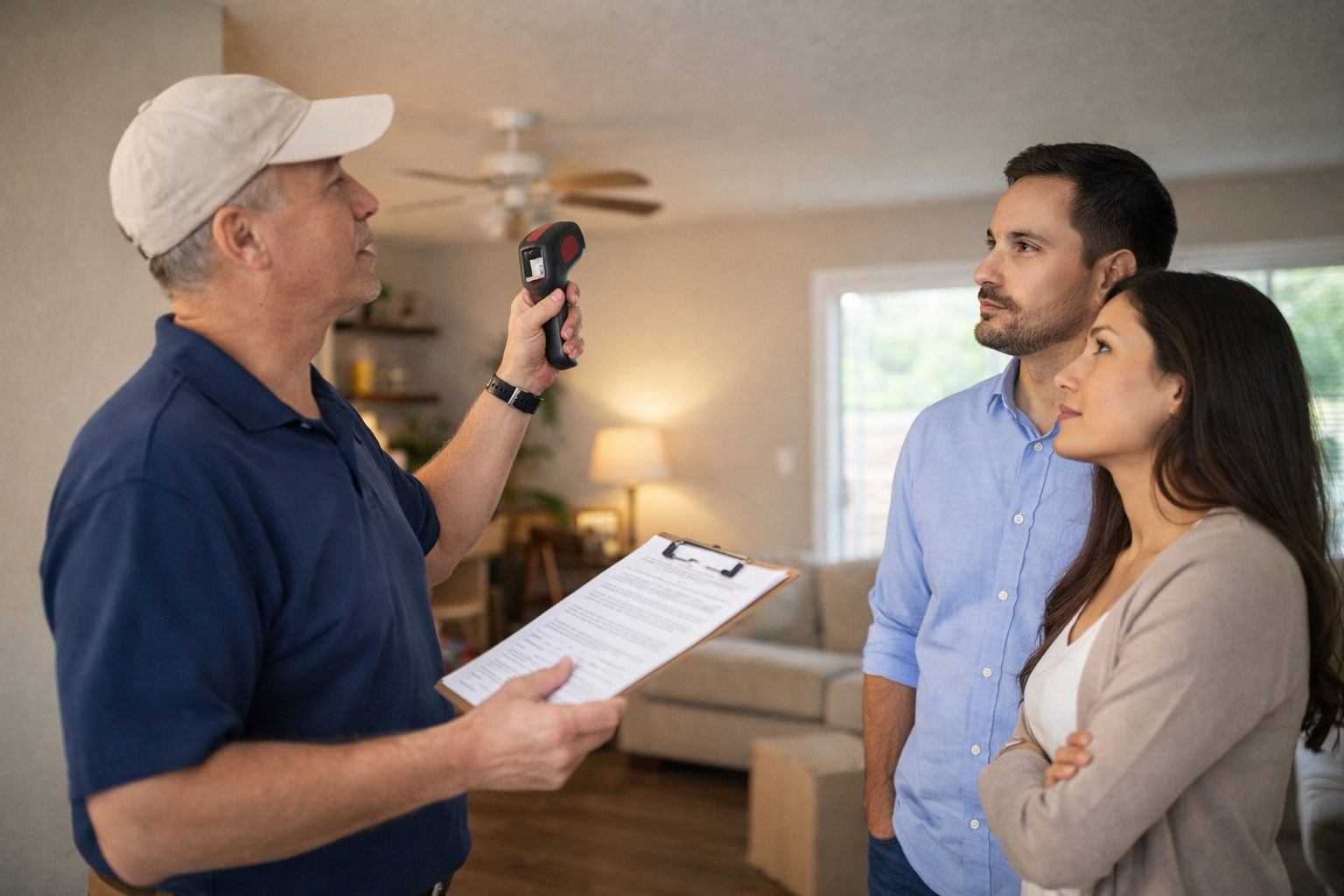
Once your offer on a home is accepted, the next major step in the buying process is the home inspection. If you missed the previous step in the Buyer Series about submitting an offer, you can read it here: Making an Offer on a Home: What Really Matters (and What Often Doesn’t).
For many buyers, the home inspection is the most stressful part of the entire process.
Not because something is wrong — but because suddenly there’s a long report, unfamiliar terms, and a lot of opinions flying around.
I see it all the time. A buyer goes from excited to overwhelmed in about five minutes flat.
So let’s slow this down and talk honestly about what a home inspection is, what it isn’t, and how to use it the right way.
What a Home Inspection Is (and Is Not)
A home inspection is not a pass/fail test.
It’s not a guarantee.
And it’s definitely not a to-do list to make the house perfect.
A home inspection is simply an information tool. It gives you a snapshot of the home’s condition so you can make an informed decision — not an emotional one.
Every home, even a well-maintained one, will have items noted. That’s normal. The key is knowing which items matter and which ones are just part of owning a home.
The Things That Do Matter
These are the items buyers should pay close attention to because they affect safety, structure, or major future costs:
-
Roof condition and age
-
Foundation or structural issues
-
Major systems (HVAC, plumbing, electrical)
-
Water intrusion or drainage problems
-
Safety concerns (exposed wiring, unsafe steps, etc.)
These are the areas where a good buyer’s agent helps you ask the right questions, understand real risk, and decide what’s reasonable to address.
The Things That Usually Don’t Matter as Much
This is where buyers often get tripped up.
Inspectors are very thorough — and that’s a good thing — but not every note is a deal breaker. Common examples include:
-
Cosmetic wear and tear
-
Older systems that are functioning as intended
-
Minor maintenance items
-
“Monitor” or “recommend evaluation” language
None of these automatically mean “walk away.” They usually mean welcome to homeownership.
What Happens After the Inspection
Once the report is reviewed, buyers typically have a few options:
-
Request repairs
-
Request a credit toward closing costs
-
Accept the home as-is
-
Walk away (rare, but sometimes the right move)
There’s no single “correct” answer — it depends on the home, the market, and your comfort level. This is where experience and perspective matter more than panic.
The Big Picture
The goal of an inspection isn’t to find a perfect house.
It’s to understand the house you’re buying.
A good buyer’s agent helps you separate real issues from normal findings, so you don’t lose a solid home over something that can be managed — or overlook something that truly matters.
💬 Final Thought
The home inspection isn’t there to scare you — it’s there to inform you.
Almost every inspection report will look “busy,” even on a well-maintained home. The key is separating normal homeownership items from the things that truly affect safety, structure, or major future costs. When you do that, the inspection becomes what it’s supposed to be: a tool that helps you make a smart decision with clarity and confidence.
In the next post in this Buyer Series, I’ll break down what happens after the inspection — how repair requests and credits work, what’s reasonable to ask for, and how to keep a deal moving forward without overreacting.
Buyer Series Navigation:
Next Step: What Happens After the Inspection? (Repairs, Credits & Negotiation)
— Shawn Long
ERA Martin Associates | Shawn Sells Delmarva
Serving Maryland’s Eastern Shore
Real estate doesn’t have to feel overwhelming — you don’t have to figure it out alone.
