
 Facebook
 X
X
 Pinterest
 Copy Link
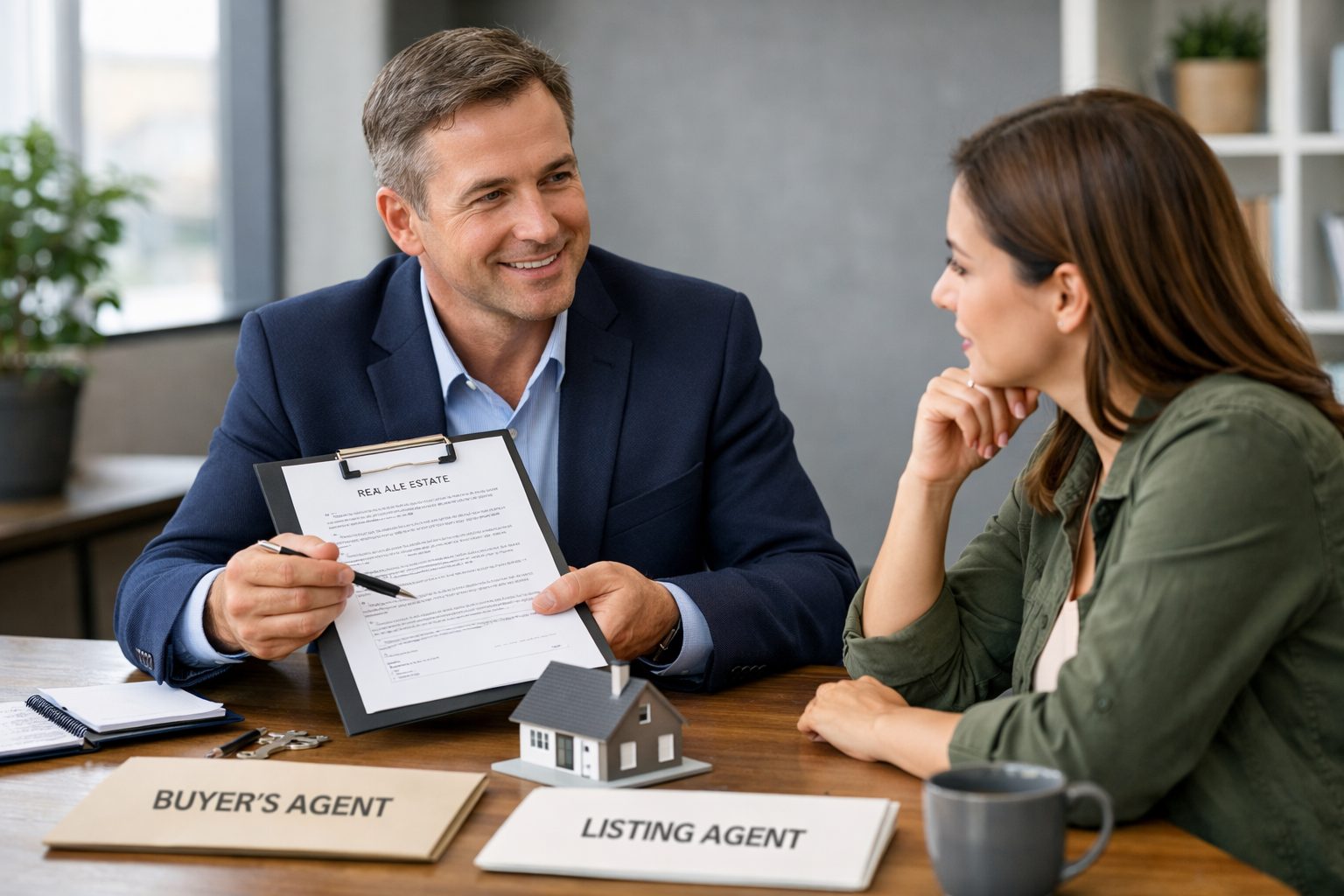
This is something I run into more often than you might think.
A buyer calls about a property and asks for the listing agent’s name and number. When I ask if they’d like representation, the response is usually something like:
“I don’t want to sign any agency agreement.”
I always respect that decision. If that’s what someone wants, I’ll gladly provide the information they’re asking for. But before doing so, I also feel it’s important to explain something many buyers genuinely don’t realize.
The Part Most Buyers Don’t Understand
In most real estate transactions, the seller pays the majority — and often all — of the buyer’s agent/broker compensation.
In many cases:
-
The buyer’s agent compensation is around 3%
-
The seller may already be offering 2.5%
-
The buyer may only be responsible for a small difference (sometimes as little as 0.5%), depending on the agreement — and often nothing at all
So when buyers try to “avoid” having representation to save money, they’re often not actually saving much — and sometimes not saving anything. (These numbers were used as an example. Compensation is always negotiable.)
Who Does the Listing Agent Work For?
This is the most important part.
The listing agent works for the seller.
Their job is to:
-
Get the seller the best price
-
Protect the seller’s interests
-
Negotiate in the seller’s favor
They are not there to advise the buyer, protect the buyer, or point out issues that could weaken the seller’s position.
A simple way to think about it is this:
Calling the listing agent to represent you as a buyer is like a defendant in court asking the prosecutor to also be their lawyer.
The prosecutor’s job isn’t to help the defendant — it’s to win the case for the other side.
That doesn’t make the listing agent dishonest. It just means they have a legal duty to someone else.
This is why understanding buyer representation in real estate is so important before deciding how to move forward with a purchase.
Why Buyer Representation Exists
A buyer’s agent is there to:
-
Advise you, not the seller
-
Explain risks, contract language, and contingencies
-
Help negotiate price, terms, and protections
-
Make sure you don’t accidentally waive rights or miss important details
And in most cases, you’re already paying for that representation indirectly through the transaction anyway.
The Bottom Line
You always have the right to choose how you buy real estate. No one should be forced into an agency relationship.
But before deciding to go unrepresented, it’s worth understanding:
-
Who is actually working for you
-
Who is legally obligated to protect your interests
-
And whether avoiding representation is really saving you money — or just leaving you unprotected
If you ever want an honest explanation of how buyer representation works, what it costs (or doesn’t), and what your options are, I’m always happy to explain — no pressure, no obligation.
One important clarification:
A seller is not required to offer compensation to a buyer’s agent. However, in practice, many sellers choose to do so because it brings more buyers to the table and makes the property accessible to a wider audience. In many transactions, the seller is already accounting for buyer representation as part of their overall pricing and marketing strategy — which is why buyers often don’t realize they’re effectively paying for representation whether they use it or not.
Sometimes understanding the system makes all the difference.
– Shawn Long
ERA Martin Associates | Shawn Sells Delmarva
Real estate doesn’t have to feel overwhelming — you don’t have to figure it out alone.
